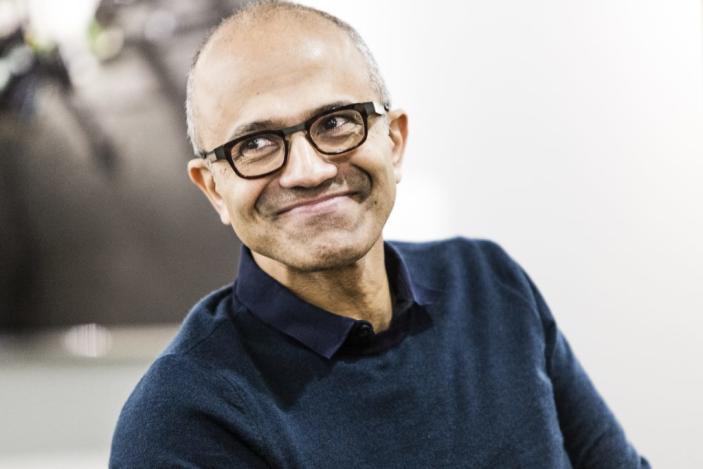
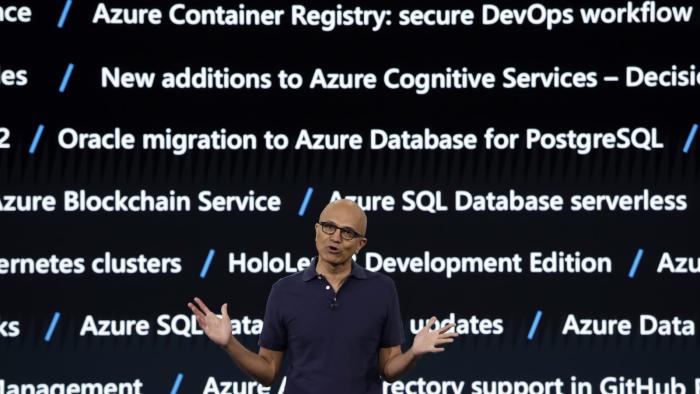
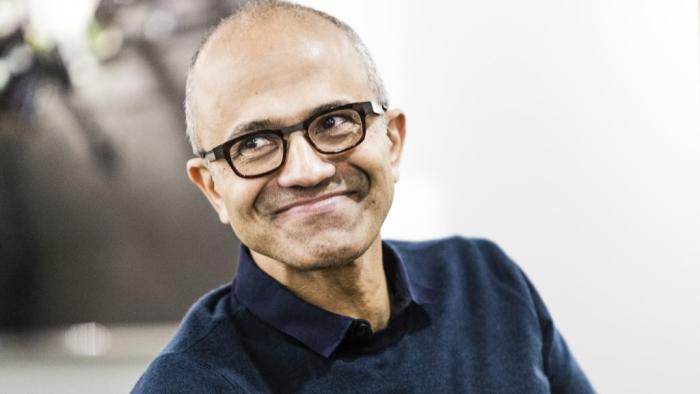
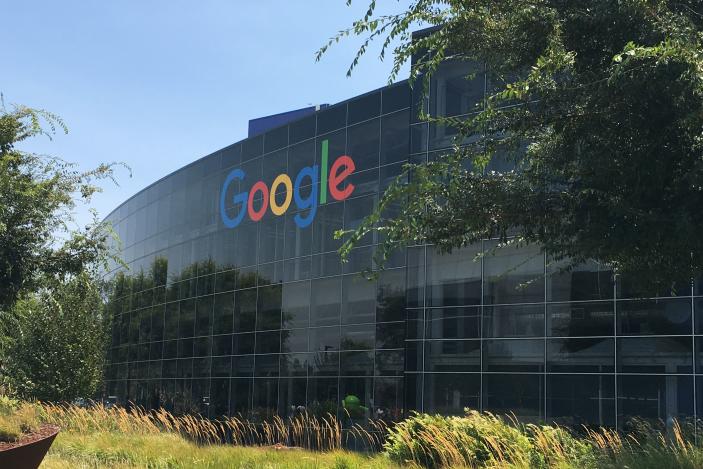
Microsoft's OpenAI partnership was born from Google envyCEO Satya Nadella forwarded an email saying the company was “very, very worried” about its rival’s capabilities.By W. Shanklin, 21 hours ago
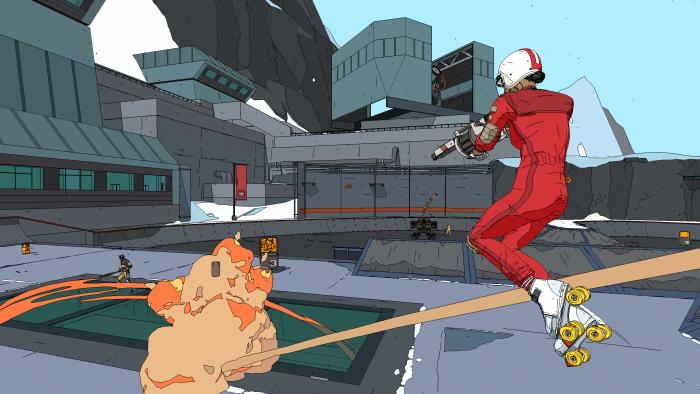
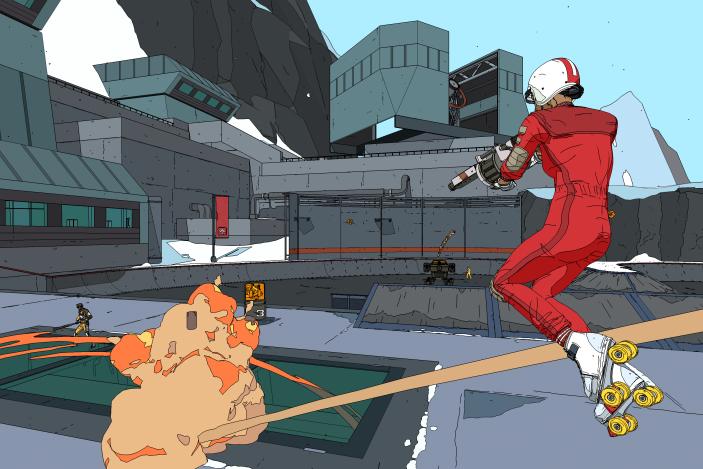
Take-Two is shutting down the studios behind Rollerdrome and Kerbal Space Program 2By J. Conditt, 17 hours ago
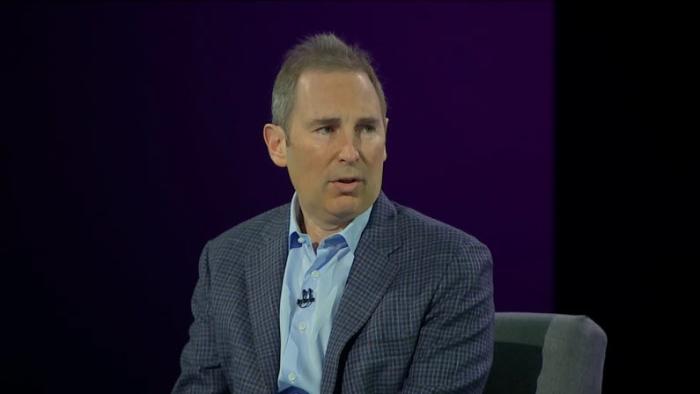
Amazon CEO's anti-union comments broke federal laws, labor judge rulesAndy Jassy said in 2022 that unions make workplaces “much slower” and “more bureaucratic.”By W. Shanklin, 5 minutes ago
You can finally use passkeys to sign into your Microsoft accountApple and Google started supporting them in 2022.By W. Shanklin, an hour ago
Peloton’s pandemic-era fairy tale is officially overThe company is laying off 15 percent of its workforce and the CEO is stepping down. By L. Bonk, 2 hours ago
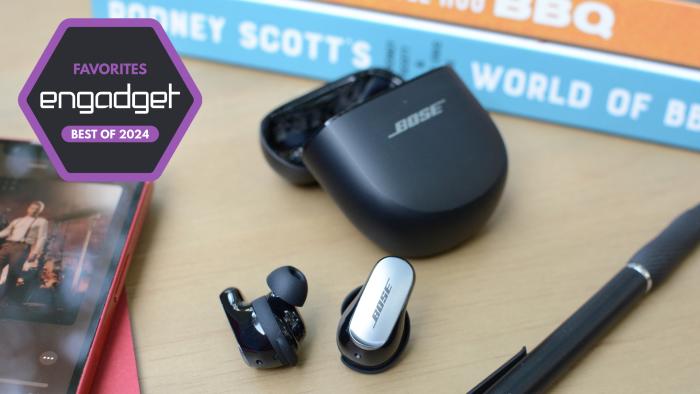
The best noise-canceling earbuds for 2024If ANC is your biggest concern, here's want to look for in a pair of wireless noise-canceling earbuds.By B. Steele, 2 hours ago
Over 200 militia groups and users are using Facebook to organize nationwide, new report statesDespite bans, most of this extremism has gone unmanaged by Meta.By S. Fielding, 4 hours ago
Apple discounts MLS Season Pass to $69 for the rest of the seasonYou can get the pass for $30 less.By M. Moon, 4 hours ago
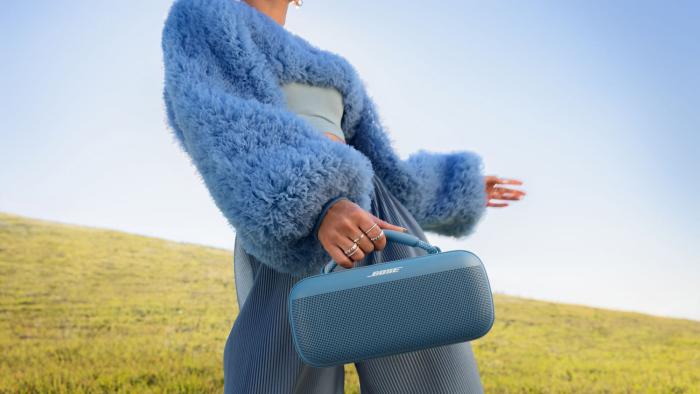
Bose's SoundLink Max is its largest portable Bluetooth speaker with 20-hour battery lifeThe larger option arrives May 16 for $399.By B. Steele, 4 hours ago
Audible is testing book recommendations based on your Prime Video habitsThe feature should be available for about half of Audible and Prime Video subscribers. By S. Fielding, 5 hours ago
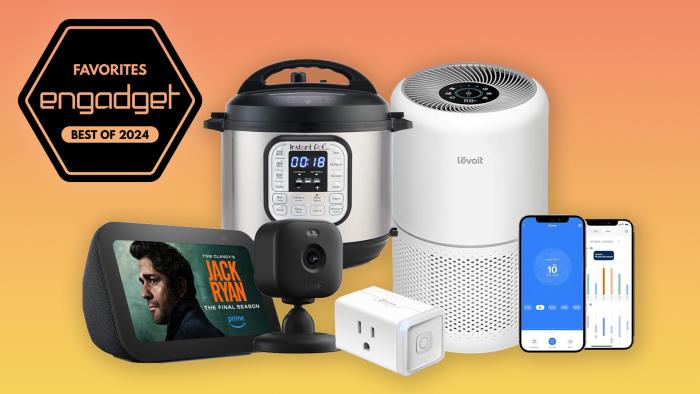
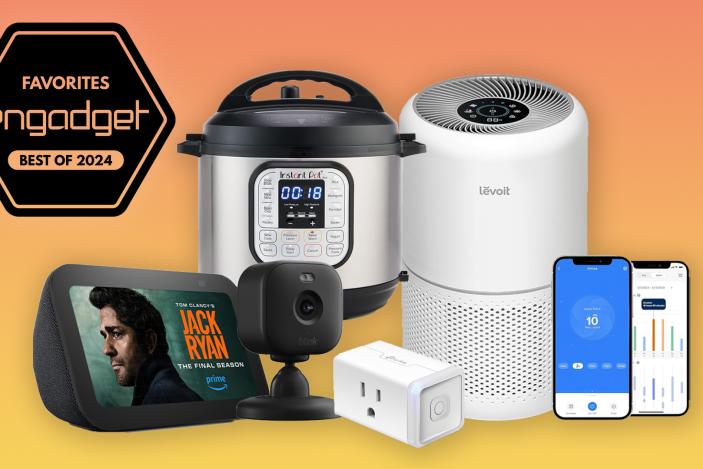
The best smart home gadgets for your first apartmentYou don’t have to spend a ton to automate your digs.By A. Skorheim, 5 hours ago
Google says its secure entry passkeys have been used a billion timesAmid an election year, it's expanding them to users at the highest risk of targeted attacks. By S. Dent, 5 hours ago
The Morning After: Microsoft’s OpenAI partnership was born from Google AI envyThe company was “very, very worried”.By M. Smith, 6 hours ago
Crunchyroll announces first price hike since Funimation purchaseThe Mega Fan tier now costs $12, while the Ultimate Fan tier will set you back $16.By M. Moon, 7 hours ago
Olivia Rodrigo, Drake and other Universal artists return to TikTokThe companies signed a new deal that includes AI protections. By S. Dent, 8 hours ago
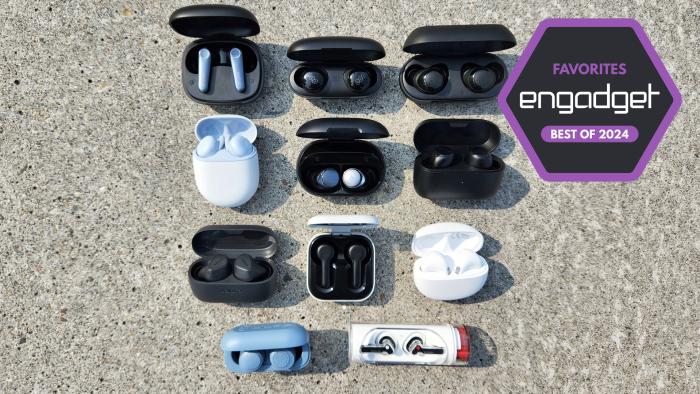
The best budget wireless earbuds for 2024Cheap picks for noise-canceling, workouts and more — all for $100 or less.By J. Dunn, 8 hours ago
T-Mobile finally owns Ryan Reynolds-backed Mint MobileMint will keep offering its $15 per month 5GB plan, T-Mobile says. By S. Dent, 9 hours ago
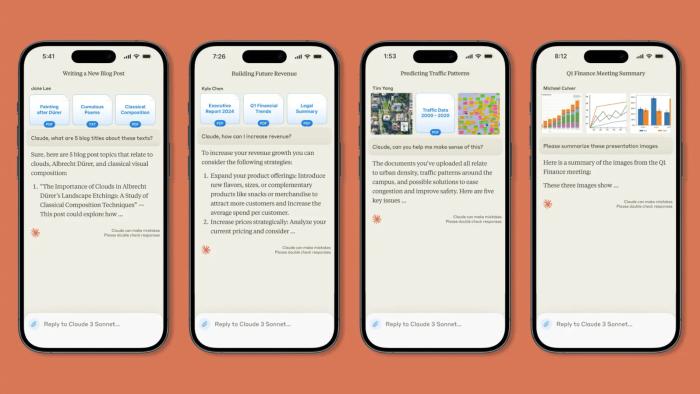
Anthropic now has a Claude chatbot app for iOSThe company has also launched a new paid tier.By M. Moon, 9 hours ago
Take-Two is shutting down the studios behind Rollerdrome and Kerbal Space Program 2Roll7 and Intercept Games both operated under Private Division.By J. Conditt, 17 hours ago
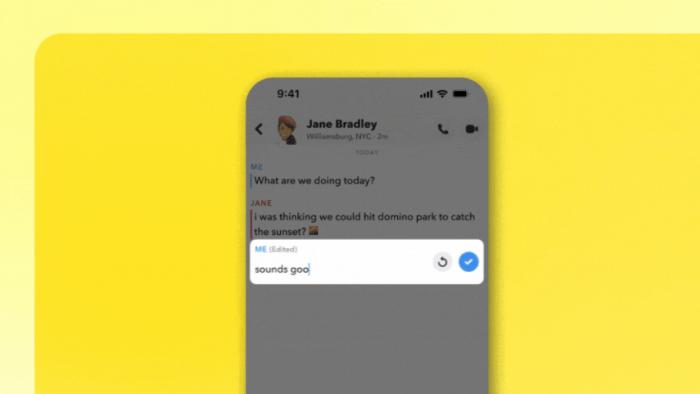
Snapchat will finally let you edit your chatsThe feature will be exclusive to Snapchat+ to start.By K. Bell, 19 hours ago
A researcher is suing Meta for the right to ‘turn off’ Facebook’s news feedIf successful, he’ll release a browser extension called “Unfollow Everything 2.0.” By K. Bell, 20 hours ago
Microsoft’s OpenAI partnership was born from Google envyCEO Satya Nadella forwarded an email saying the company was “very, very worried” about its rival’s capabilities.By W. Shanklin, 21 hours ago